Microneedling

What is Microneedling?

Micro-needling (also known as Collagen Induction Therapy or CIT) allows for a controlled process of the skin’s self-repair mechanism by creating micro “injuries” in the skin, which triggers new collagen production.

Micro-needling is utilized to treat the appearance of fine lines, acne scars, minor trauma scars, hypo/hyperpigmentation, and improving the skin’s overall appearance. To enhance results, micro-needling may be combined with the use of PRP, topical gels, creams, and/or serums to further aid in the overall appearance of the skin

What are the benefits of Microneedling?

Microneedling has gained popularity for its growing list of benefits. It is said to rejuvenate and plump the skin with minimal discomfort and downtime, and it can be adjusted to fit each person’s needs.
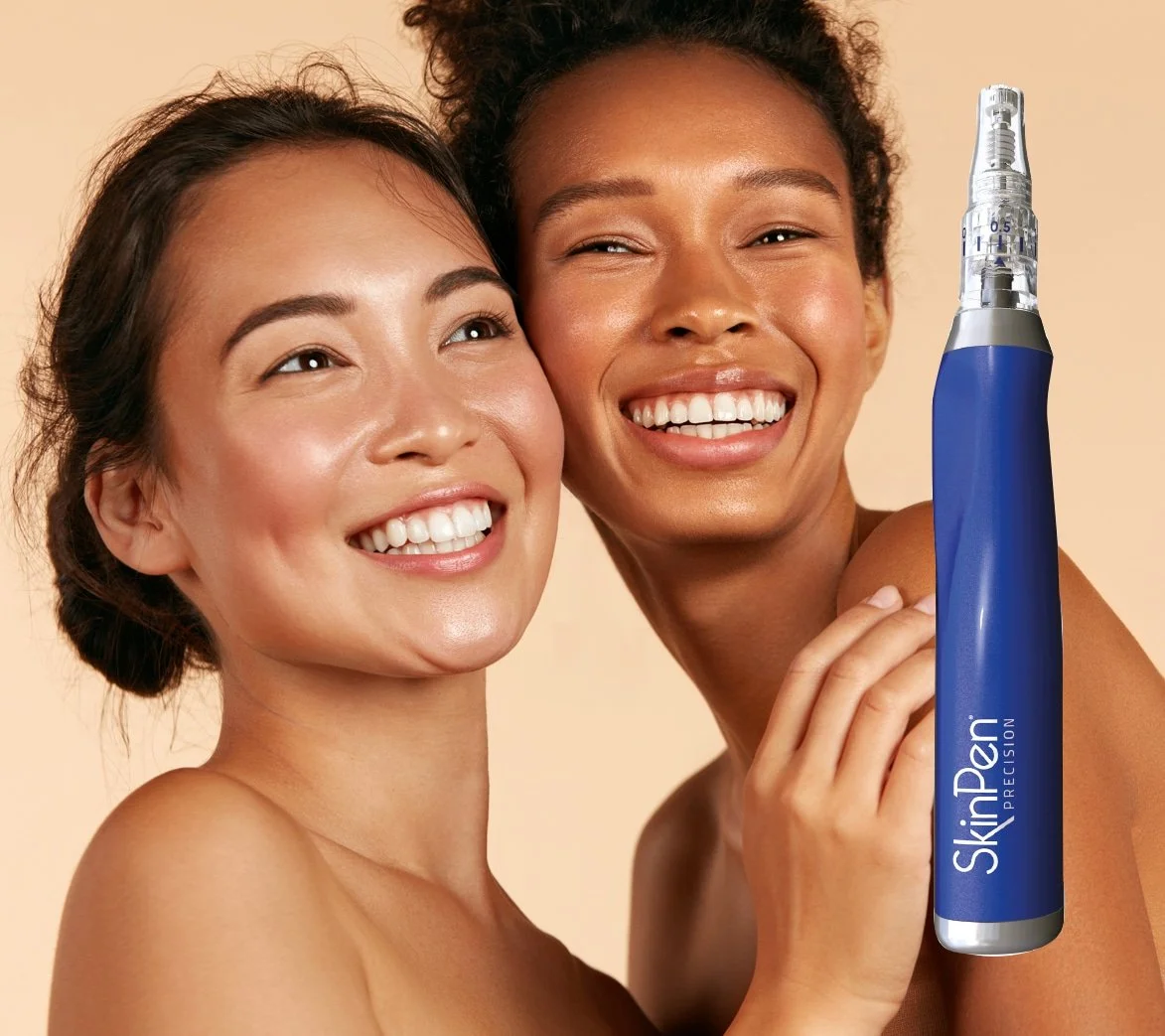
Microneedling can improve:

The appearance of scars, including acne scars, fine lines, and wrinkles
Enlarged pores
The appearance of hyperpigmentation, or dark spots

Uneven skin tone

Skin elasticity

The appearance of stretch marks

Hair growth in people with alopecia

Microneedling is less expensive than laser therapy and may work

Am I suitable for the treatment?

better for some people. Laser treatments involve heat, which can

affect skin pigmentation.

People with darker skin tones may prefer Microneedling to laser therapy because of safety concerns. Trusted Source associated with certain types of laser treatments on skin of color. Research on the effectiveness and safety of laser treatment on darker skin tones is still lacking.

What to expect during the treatment

Before the procedure, you may need to stop taking certain medications, such as ibuprofen and those for acne treatment (like Accutane).

Dermatologists may also recommend avoiding using agents that may increase your skin’s sensitivity before your Microneedling appointment. This may include topical retinoids and exfoliants.

The procedure for Microneedling takes approximately 45 minutes to 1 hour.

The practitioner typically applies a topical anesthetic to the treatment area. This will numb the skin during the Microneedling process, which takes approximately 30 minutes.

During the practitioner makes small pricks under the skin using a pen-like tool with tiny, sterilized needles. The pinpricks are so small that you likely won’t notice them after the procedure. Typically the tool is evenly moved across your skin so that the newly rejuvenated skin will be even.

In total, the average Microneedling session lasts approximately 2 hours.

Am I suitable for this treatment?

You may not be an ideal candidate for Microneedling if you:

Have certain skin conditions, such as psoriasis or eczema Have open wounds or active acne
Have had radiation therapy recently
Have a history of skin scars

Pregnant people may need to be cleared by an obstetrician or gynecologist before treatment.

What areas of the body can be treated?

Most people get Microneedling on their face, but you can also get it on your legs, back, neck or other areas where you notice damaged or aging skin.

How many treatments will I require?

The number of microneedling sessions needed varies depending on individual skin concerns, such as acne scars, wrinkles, or hyperpigmentation, as well as desired outcomes. Generally, a series of 3 to 6 treatments spaced 4 to 6 weeks apart is recommended for optimal results.

However, some individuals may require more or fewer sessions based on their skin's response and treatment goals. Your skincare professional will assess your skin condition and recommend a personalised treatment plan during your consultation.

Is it suitable for all skin types?

Microneedling is generally safe for most skin types, including fair to dark skin tones. However, individuals with certain skin conditions, such as active acne, eczema, or rosacea, may not be suitable candidates for microneedling or may require special considerations and precautions. It's essential to disclose any medical history or skin concerns to your practitioner during the consultation to determine if microneedling is appropriate for you.

Can it be combined with other treatments?

Microneedling can be combined with other cosmetic procedures or skincare treatments to enhance results and address multiple skin concerns simultaneously. Common combination treatments may include the application of topical serums, as well as procedures such as laser therapy or chemical peels performed at separate sessions. Your skincare professional can recommend appropriate combination treatments based on your individual needs

Does it hurt?

While Microneedling can sound rather daunting, the needles that we use during the procedure are microscopic. The treatment can cause discomfort and has been said to feel like a vibrating cats tongue. Areas with deeper imperfections may cause more discomfort than areas with superficial imperfections. We ensure that our patients are comfortable throughout the entire procedure. A topical numbing agent is applied 30 minutes prior to Micro-needling to aid any discomfort during the procedure.

Are there any side effects?

Like all cosmetic procedures, Microneedling carries some risks. A common side effect is minor skin irritation immediately following the procedure.

You may also see redness for a few days.
Some people may have severe side effects that need medical treatment, such as:

bleeding bruising infection peeling

Is it safe?

Microneedling is considered a safe procedure when performed by a trained and experienced professional. It involves the use of fine needles to create controlled micro-injuries in the skin, stimulating collagen and elastin production.

However, as with any cosmetic procedure, there are potential risks and side effects such as temporary redness, swelling, and bruising. It's crucial to consult with us to assess your suitability for microneedling and to ensure proper aftercare.